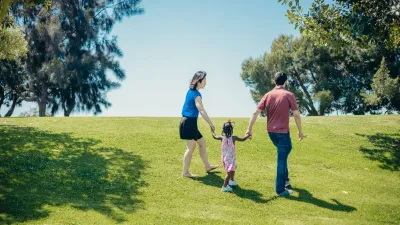
Park Visit With a Baby and an Older Sibling
Plan a park visit that gives an older child room to play while a baby has a safe, manageable routine.
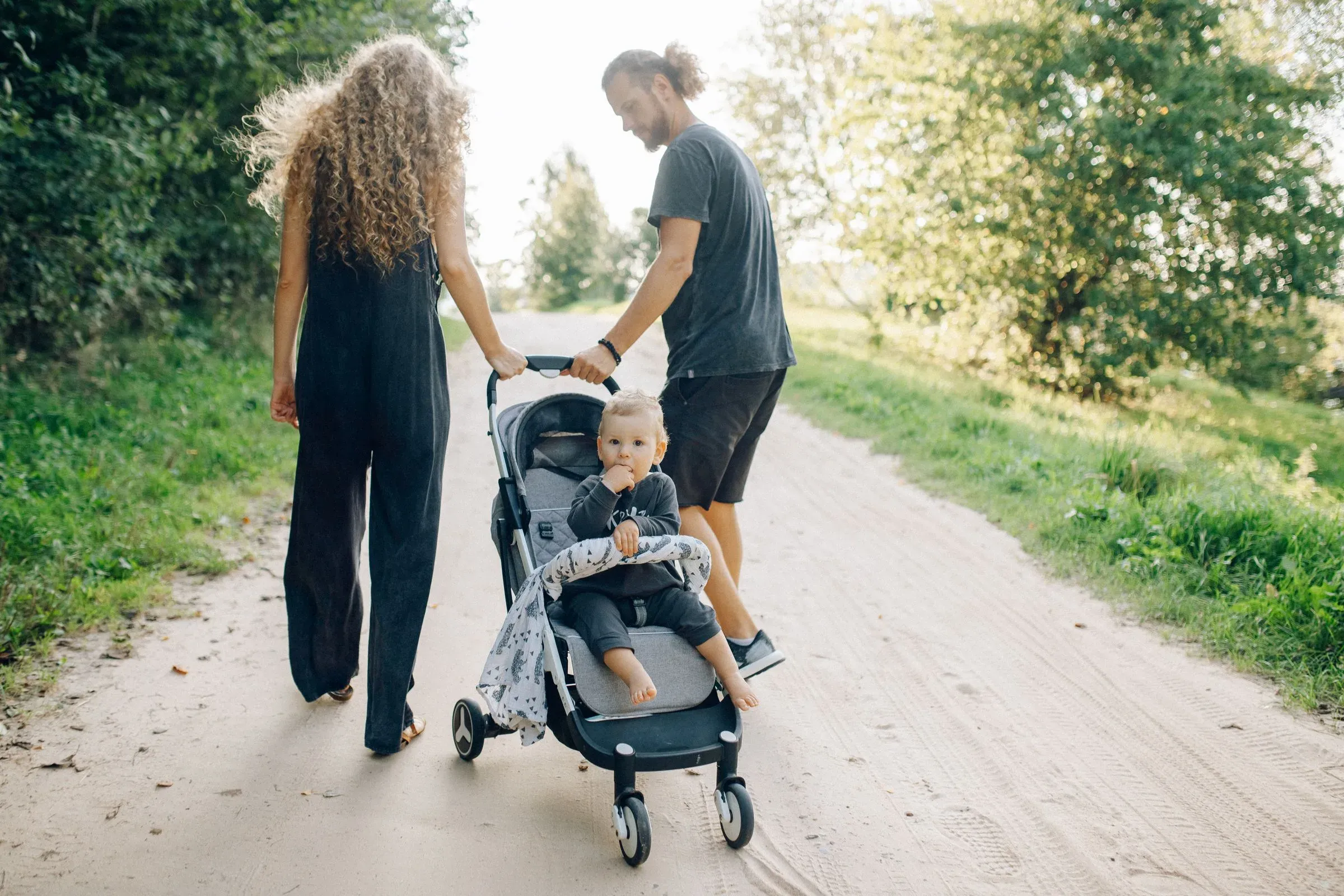
A park visit with a baby and an older sibling needs two plans at once: a visible play boundary for the older child and a feeding, diaper, and rest setup for the baby. Choose a location where one adult can reach both without crossing a road or losing sight of the play area.
Choose the simplest location
Before leaving, check the route, shade or shelter, bathroom access, and places to sit. Keep the first visit short. A familiar park is often easier than a new park with a long walk, because the older child already knows the boundaries.
The CPSC Public Playground Safety Handbook notes that equipment should match children’s ages and that toddlers and preschoolers need especially attentive supervision. Keep the adult position close enough to handle baby care without leaving the older child’s agreed play area unsupervised.
Tell the older child the plan in three parts: where play happens, where the adult and baby will be, and what happens when the baby needs care. The park visit checklist helps you make that explanation consistent.
Pack two small kits
Keep the baby supplies together:
- Diapers and changing supplies
- Feeding supplies appropriate to your routine
- A clean cloth or burp cloth
- A spare baby outfit
- Sun, wind, or rain protection suitable for the weather
Keep the older-child kit separate:
- Water and a snack
- A spare layer or clothing
- Wipes and a small trash bag
- One portable activity if the main area is busy
Put the item needed first in each kit at the top. The one-bag park kit explains how to use reach, cleanup, change, and pause zones if you prefer one larger bag.
Give the older child a job without making them responsible
An older sibling can choose a starting activity, carry a light item, or help locate the blanket. They are not responsible for watching the baby. Say that directly so the child does not feel blamed when the adult turns away.
Use a visible meeting point. If the older child wants to move to another part of the park, agree on the boundary first. Keep the adult position close enough for quick diaper or feeding care.
Plan the baby pause
Watch the baby’s ordinary hunger, sleep, and comfort cues. Do not wait until the baby is crying to decide where to sit. If the baby needs a feed, diaper, or quiet break, tell the older child what happens next and offer a small choice: stay beside the adult or use the agreed nearby activity.
The nap-time park plan can help when the baby’s sleep is the main limit. On a hot day, use the hot-weather outing prep guide and make the baby’s shade and temperature part of the decision.
End while both children can still transition
Give the older child a warning before the baby’s needs become urgent. Gather the baby supplies first, then offer the older child a final simple task such as returning the water bottle. Check the ground for small items and take wet or dirty clothing home in its own bag.
If one adult is alone, shorten the outing when the plan stops being manageable. A successful visit may be 20 minutes with a calm exit.
Explore more park outings.