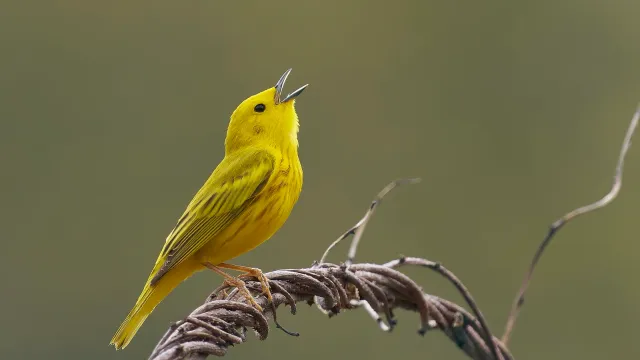
Bird Identification Games for Kids: Notice Shape, Sound and Habitat
Use bird identification games for ages 3–7 that work even when children cannot name a species, from silhouette clues to habitat matching.
Have Fun at the Park Editors
Page 4 of 10 - 110 posts by this author
Use bird identification games for ages 3–7 that work even when children cannot name a species, from silhouette clues to habitat matching.
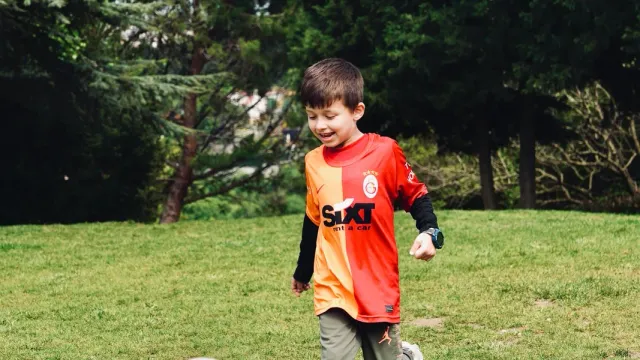
Practice kicking a ball with a toddler through a short, invitation-based park game using a still ball and an adult-held target.
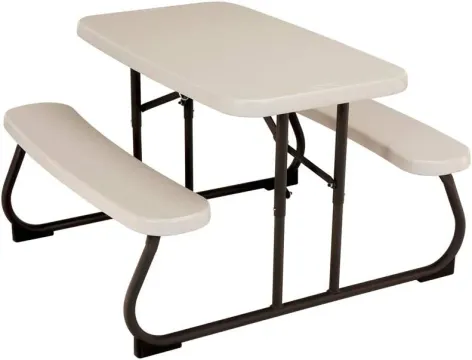
Compare child picnic tables by folded size, setup, seating, transport, and the park route that can support the load.

Coordinate a two-family park playdate with clear roles, food expectations, boundaries, and a shared departure plan.
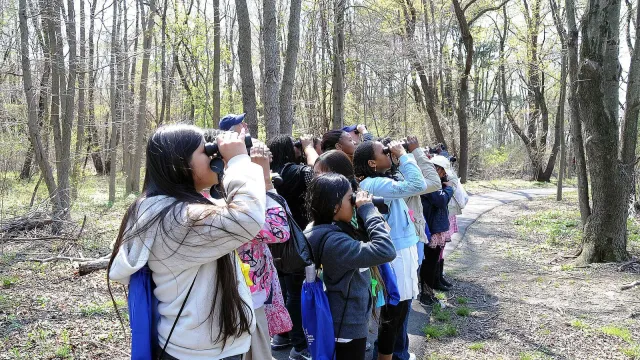
Plan a beginner bird-watching routine for ages 3–7 with listening, stillness, distance and local references that do not require bird expertise.
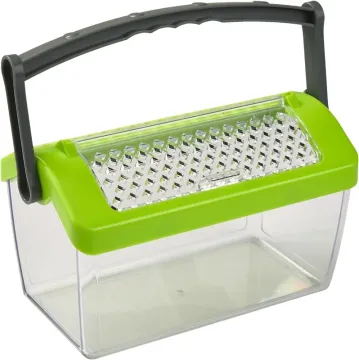
Compare a homemade nature kit with a packaged set for ages 3–7 by repeat use, storage, tool overlap, supervision and park rules.
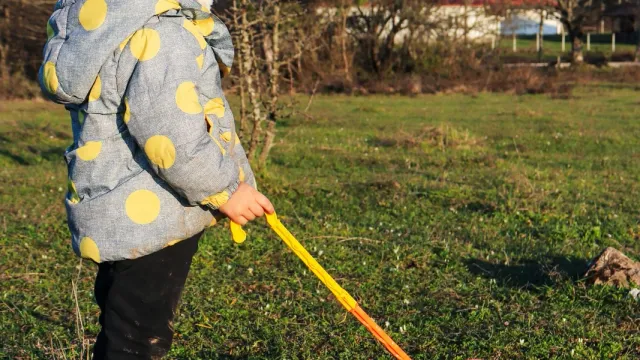
Try four rolling games for toddlers using a soft ball, a short lane, and an adult-led return. Each has a no-ball version.

Plan a park playdate for toddlers and older preschoolers with shared boundaries and age-appropriate choices.
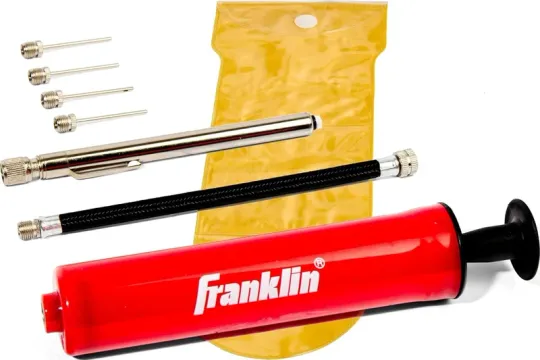
Choose a ball pump for kids by valve compatibility, storage, adult use, and the balls you will carry rather than by a generic ranking.

Help children ages 4–7 observe clouds, wind, ground conditions and light at the park without turning a simple log into a forecast.

Use this 15-minute outdoor games plan for kids: one start cue, two short games, a water pause, and a clear ending.
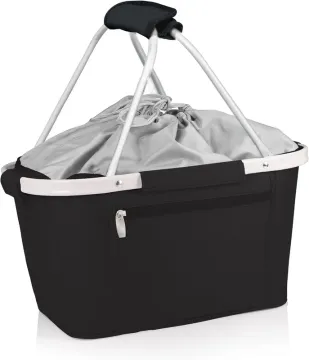
Compare folding picnic totes by capacity, food separation, handles, liner care, and how the tote fits your route.