
First Park Playdate Checklist for Parents
Plan a first park playdate with a clear meeting point, simple food plan, adult roles, and an easy exit.
Have Fun at the Park Editors
A little fresh air. A lot of good ideas.
Page 5 of 10
Plan a first park playdate with a clear meeting point, simple food plan, adult roles, and an easy exit.

Try safe shadow activities for ages 3–7 using fixed objects, changing light and simple drawings without climbing or moving park equipment.
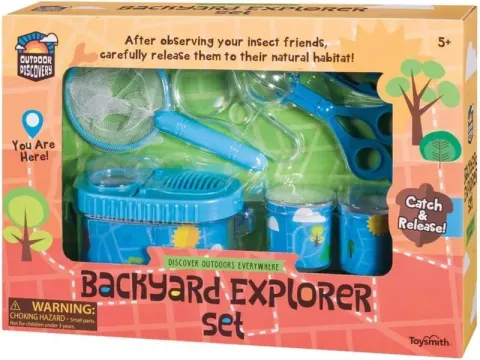
A researched guide to nature explorer kits for kids, comparing tools, carry format, age labels, storage and whether each piece earns space.

Try outdoor games for 2-year-olds that use walking, rolling, pointing, copying, and carrying with an adult close by.

Follow a flexible 90-minute park picnic plan with arrival, play, food, cleanup, and a calm departure.

Choose a soft soccer ball for a toddler by checking the exact age label, size, surface, inflation, and a safe low-kick space.

Use simple cloud watching activities for ages 3–7 to notice shape, coverage and movement while keeping weather safety clear.

Plan rainy-day park games around a short route, dry transitions, and low-mess play. Check closures and posted rules before leaving home.

Compare wet bags by closure, capacity, wash care, handle, and the kind of damp clothing a park trip creates.

Turn an unplanned park stop into a manageable 20- to 30-minute visit with a tiny kit and a clear exit.

Lead a short sound walk for ages 2–7 with listening pauses, gentle sound descriptions and clear boundaries around birds and wildlife.
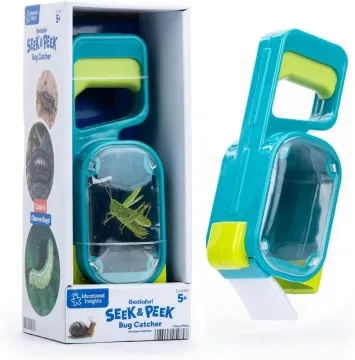
Compare bug viewers for kids by container size, magnification, ventilation, cleanup and supervision before bringing one to the park.